Winter sea and rail transport present specific risks for shipments of granite monuments and tombstones due to condensation forming inside containers. When cold air trapped in a container meets warmer air during loading, transshipment, or arrival at a warmer destination, moisture can condense on surfaces. For monument importers, wholesalers, distributors, and funeral supply companies, understanding how condensation affects materials, fittings, and finishes is essential to prevent damage and costly rework.
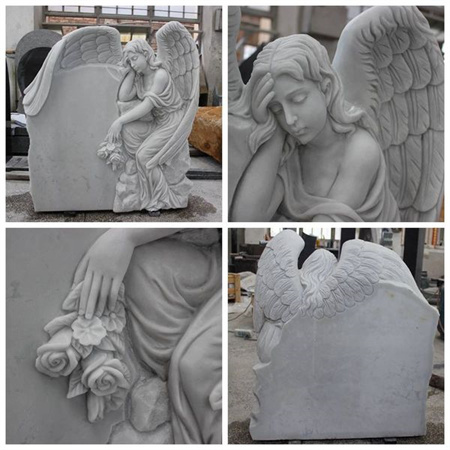
Condensation itself does not dissolve granite, but it can interact with other components of a finished monument. Bronze plaques, metal anchors, dowel pins, and non-stainless fasteners are susceptible to rust and staining when exposed to repeated moisture cycles. Wood crates, untreated dunnage, and cardboard packaging can absorb water, encouraging mold growth and compromising structural integrity. Adhesives, epoxies, and certain sealants may be weakened by prolonged exposure to humidity or by freeze-thaw cycles, leading to bond failures during installation. Surface finishes—polishes, sandblasted faces, and sealed edges—can show temporary “ghosting” or localized etching if salts are present and crystallize as the moisture evaporates.
Material selection and manufacturing controls reduce these risks at the source. Choosing corrosion-resistant hardware such as grade 316 stainless steel for dowels and anchors, using exterior-rated epoxies and polymeric adhesives, and applying an appropriate stone sealer prior to packing are effective steps. Custom elements such as attached bronze or stainless plaques should be pre-treated with corrosion inhibitors and affixed in a manner that allows for differential expansion without trapping moisture. During finishing, allow sufficient cure time for sealers and adhesives so they attain full performance before the monument is packed for export.
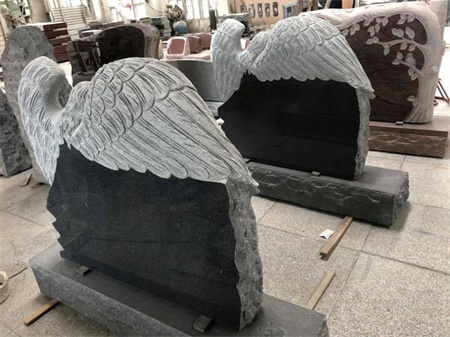
Proper packing and container preparation are critical in winter shipping. Use dry, treated timber that complies with ISPM 15 for crates and dunnage, and include breathable moisture barriers or anti-condensation liners to reduce the formation of interior surface moisture. Desiccant packs and humidity indicator cards placed strategically within crates can control relative humidity around sensitive components. Avoid steel strapping in direct contact with finished surfaces; consider plastic straps with protective corner guards. For monuments shipped with loose fittings or as kits, pack metal hardware separately with vapor corrosion inhibitors to protect against rust development.
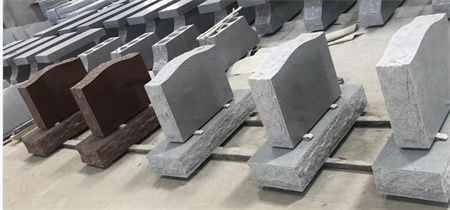
Quality control procedures tailored to seasonal risks help ensure shipments arrive in installable condition. Implement a pre-shipment checklist that includes moisture meter readings, verification of sealant cure times, photographic documentation of packing, and confirmation of corrosion protection on all fittings. Conduct random inspections of desiccant placement and container seals, and record container numbers and seal numbers in shipping documentation to support claims if damage occurs.
International shipping planning mitigates exposure to condensation by addressing routing and handling. Choose carriers and transit schedules that minimize container dwell time in cold environments and avoid unnecessary transshipment in extreme temperature zones. Where practical, opt for insulated containers or heated storage during critical handoffs. Communicate winter handling instructions explicitly to freight forwarders, ports, and inland carriers to prevent containers from sitting for extended periods in open yards. Ensure insurance declarations reflect seasonal risks and that terms for claims include moisture-related damage.
Proactive collaboration between manufacturers, exporters, and importers on material choices, packing methods, and shipping plans reduces the likelihood of condensation-related problems during winter transport. A combination of corrosion-resistant hardware, appropriate sealants, moisture-mitigating packaging, and rigorous pre-shipment quality control improves consistency of delivered granite headstones and monuments in international trade. In conclusion, addressing condensation risks through material selection, manufacturing practices, and winter-specific shipping controls helps protect product integrity and reduces downstream costs for B2B buyers.