The United Kingdom market demonstrates a consistent demand for a range of monument styles that balance traditional aesthetics with practical cemetery requirements. For overseas importers and wholesalers supplying headstones, tombstones, and memorials to UK distributors and funeral supply companies, understanding prevailing preferences, material choices, manufacturing methods, and export logistics is essential to meet buyer expectations and regulatory constraints.

Most UK cemeteries favour upright headstones and lawn-level markers due to maintenance protocols and local regulations. Upright headstones remain the default choice for individual graves, typically produced in single or double formats to accommodate family plots. Lawn-level or flat markers are commonly specified for municipal cemeteries where grass mowing and groundskeeping require minimal protrusion above ground. Kerb sets and ledger stones are also requested for traditional graves, while book-style memorials, slanted memorials, and Celtic crosses continue to appeal to clients seeking recognisable British iconography or churchyard aesthetic. Cremation gardens have increased demand for smaller plaques and pedestal memorials designed for scattering plots or columbarium installation.
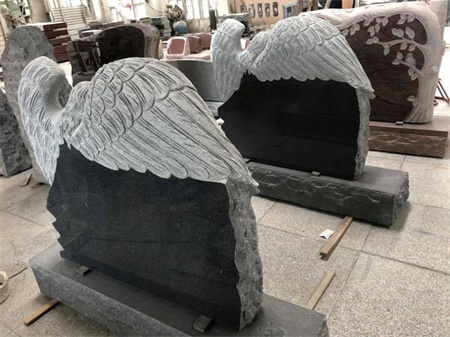
Material selection is a primary determinant of durability and appearance. Granite dominates the market for headstones and monuments because of its weather resistance, low porosity, and ease of maintenance. Common granite types supplied to the UK include dark absolutes such as Jet Black and Absolute Black for a polished, high-contrast finish; grey and silver granites for traditional stone looks; and red granites like Balmoral Red for regional preferences. Suppliers also provide granites with various grain sizes and mineral compositions to suit different finishes. Bronze memorial plaques and granite-bronze combinations remain popular for long-term outdoor performance and for commemorative memorials requiring cast details.
Manufacturing processes for monuments combine automated precision with hand-finishing. Block sawing, CNC routing, and waterjet cutting are standard for producing accurate dimensions and for undercutting profiles. CNC engraving and sandblasting are used for lettering, motifs, and emblems, while laser etching and ceramic photo plaques offer high-resolution portrait reproduction. Hand-carving and polishing continue to be applied where bespoke detailing is required. Quality of finish—polished, honed, flamed, or sandblasted—should be specified at order stage to match cemetery rules and end-customer expectations.
Quality control procedures are crucial for export markets. Reputable monument manufacturers implement dimensional tolerances, flatness checks, and surface gloss measurements as part of final inspection. Material testing for density and water absorption helps predict long-term weathering. Provenance documentation and material certificates can assist UK buyers with procurement audits. Packaging standards for export-grade memorials typically include timber crating or palletised supports with internal bracing, corrosion-inhibiting wraps for metal fittings, and shock-absorbing materials to protect polished surfaces during transit.
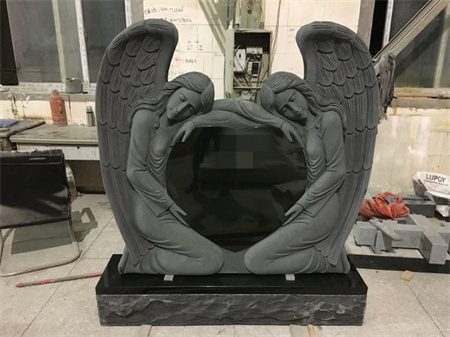
International shipping and logistics are significant considerations for importers. Most suppliers offer containerised sea freight with options for FCL and LCL depending on order volume. Export documentation should include packing lists, commercial invoices, customs declarations, and any required certificates of origin. Understanding Incoterms and agreeing on responsibilities for freight, insurance, and customs clearance reduces delivery delays. Lead-times vary with seasonality and order complexity; manufacturers commonly provide sample services or prototypes to confirm design and finish before full production.
Careful attention to manufacturing detail, material selection, customization options, quality control, and export logistics enables suppliers to meet the specific requirements of the UK monument market. A transparent supply chain and clear communication on technical specifications support successful long-term partnerships between overseas manufacturers and UK distributors. Conclusion: For B2B buyers targeting the UK, aligning product offerings with local style preferences, cemetery regulations, and robust export practices is essential to ensure consistent quality and reliable delivery.