China has become a major source of granite monuments and tombstones for international importers, wholesalers, distributors, and funeral supply companies. A combination of established quarry networks, experienced stone carvers, and modern manufacturing facilities allows Chinese suppliers to deliver a wide range of memorial products, from standard headstones to fully customized memorials. For buyers evaluating potential partners, understanding manufacturing workflows, material options, customization capabilities, quality control measures, and international shipping practices is essential.
Quarrying and material selection are the foundations of monument manufacturing. Chinese quarries produce common export granites and marbles used in memorials, including popular dark and light granites that suit outdoor headstones and grave markers. Material selection affects durability, finish, and compatibility with engraving techniques. Reputable suppliers provide material samples and technical specifications, including density, absorption rates, and recommended surface treatments, so importers can match products to cemetery regulations and climatic conditions in destination markets.
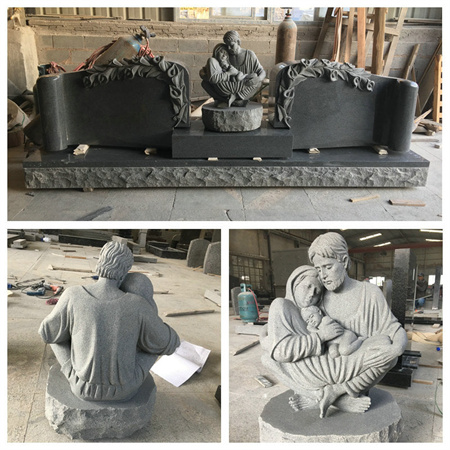
Manufacturing integrates automated and traditional stoneworking methods. Large production workshops use gang saws, wire saws, CNC routers, and robotic polishing lines to achieve consistent dimensions and surface finishes on bulk orders. Skilled hand carvers and finishers remain important for detailed reliefs, hand lettering, and custom sculptures. Common customization techniques include sandblasting for inscriptions, laser etching for photographic portraits, bronze appliqués, and inlay work. File formats such as AI, PDF, and DWG are typically accepted for customized designs, and many factories provide digital proofing and sample mock-ups before full production begins.
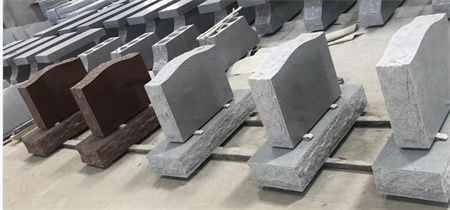
Customization flexibility is a key consideration for distributors and funeral supply companies offering personalized memorial solutions. Suppliers can produce single bespoke pieces as well as large production runs with consistent quality. Options span shape, size, finish (honed, polished, flamed), inscription styles, bas-relief carving, and accessory attachments such as flower vases and bronze plaques. Lead times vary by complexity; ready-made stock stones can ship within weeks, while fully customized monuments often require several weeks to months, depending on design approval and seasonal production loads.
Quality control practices influence product reliability and warranty matters. Established manufacturers implement multi-stage inspections, including dimensional checks, polish and finish verification, inscription accuracy, and structural integrity tests. Pre-shipment inspection (PSI) reports, third-party testing for material properties, and photographic documentation of finished goods are commonly provided. Packaging and protection are also treated as quality concerns—proper crating reduces damage during transit and affects claims and replacement costs.
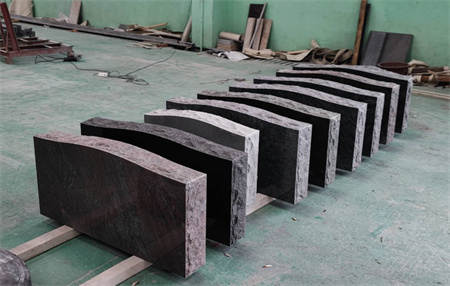
International shipping and export logistics are critical for monument importers to manage costs and ensure timely delivery. Wooden crates compliant with ISPM15 fumigation standards, internal bracing, corner protection, and waterproof wrapping are standard for container loading. Options for transport include full container load (FCL) or less-than-container load (LCL) shipments, and freight terms can be negotiated on FOB, CIF, or DDP bases depending on buyer preference. Accurate export documentation—commercial invoice, packing list, bill of lading, certificate of origin, and any specific customs declarations—is necessary to clear imports and avoid delays.
For overseas buyers sourcing granite monuments from China, evaluating a supplier’s material transparency, production capabilities, customization services, and export experience helps mitigate risk and supports long-term partnerships. Understanding these operational aspects enables informed procurement decisions and smoother supply chain management.
In conclusion, sourcing memorial products from China combines abundant material options, technical manufacturing capacity, and a range of customization choices, while effective quality control and informed logistics planning are essential to meet international standards and customer expectations.