For overseas buyers of monuments and tombstones, entering a long-term supply agreement with a manufacturer stabilizes procurement of granite memorials while defining technical, commercial, and logistical expectations. Such contracts are common between importers, wholesalers, distributors, and funeral supply companies that require consistent quality, predictable lead times, and clear responsibilities for customization, inspection, and international shipping.
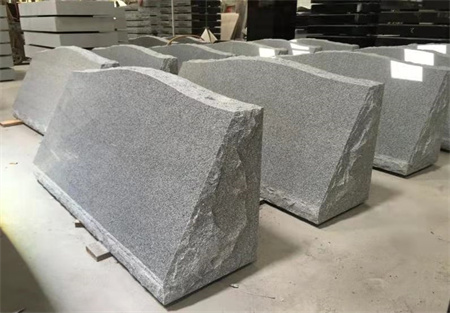
A contract should begin with precise product specifications. In the memorial industry this means identifying acceptable granite types and finishes (for example absolute black, g603, or other region-specific stones), dimensional tolerances, surface polishing grades, edge profiles, and permitted engraving methods such as sandblasting, CNC carving, or laser etching. Customization clauses cover options like inlaid emblems, color-filled lettering, porcelain photos, or multi-piece monuments with dowel or anchoring details. Pre-production samples and approved drawings are critical to avoid ambiguity; many buyers require a pre-production sample and a first-piece inspection before full production.

Manufacturing and material sourcing are central risks in long-term arrangements. The contract should set expectations about raw block procurement, cutting and sawing processes, polishing stages, and finishing workflows. It is useful to require the supplier to maintain traceability of granite slabs and to document any variations in grain, veining, or porosity that might affect engraving or weathering. Agreements can include provisions for material substitution with prior written consent and thresholds for allowable defects per batch. Quality control requirements often specify in-factory inspection criteria, measurement of engraving depth, surface flatness, and adhesion of any applied coatings or sealants.
Quality control mechanisms and dispute resolution clauses reduce friction. Typical terms include defined acceptance sampling procedures, third-party inspection rights, and hold-back amounts or remedies for nonconforming goods. Many importers include periodic factory audits, photographic progress reports, and the right to reject shipments that fail to meet agreed standards. Clear acceptance criteria for accessories—mounting hardware, anchors, bronze items—should be incorporated to prevent surprises at customs or during installation.

Commercial terms cover pricing, minimum order quantities, forecast cadence, and contract duration. Buyers often negotiate fixed pricing for an initial term with indexed adjustments tied to input costs such as raw blocks, fuel, or labor. Forecasting obligations allow suppliers to schedule sawing and polishing and to hold safety stock; conversely, buyers may commit to minimum purchase volumes per quarter or year. Payment terms are usually a deposit followed by balance by T/T upon shipping or payment against original documents via a documentary letter of credit for larger shipments.
International shipping and trade compliance must be explicit. Incoterms (FOB, CIF, DAP, etc.) determine responsibility for freight and insurance, and lead times should consider seasonal port congestion. Proper packing—palletization, timber crating, foam protection, and container stuffing patterns—is essential to prevent chipping or staining en route. Contracts should specify required export documentation such as commercial invoices, packing lists, certificates of origin, and any third-party inspection certificates, and allocate responsibility for customs clearance, duties, and local regulatory compliance.
Well-drafted long-term supply contracts balance flexibility with enforceable standards for manufacturing, materials, customization, quality control, and international shipping. Clear specifications, inspection rights, forecasting obligations, and defined trade terms help both parties manage cost, quality, and delivery risk over the contract term.