When evaluating the cost structure for sourcing granite monuments and tombstones, importers and distributors should consider several interrelated factors that directly influence price and delivery. Raw material selection is a primary driver. Granite grade, color consistency, slab thickness, and source quarry all affect unit cost. Premium granites with dense grain, low water absorption and uniform coloring command higher prices than common grades. Quarry proximity to processing centers and the availability of large, defect-free slabs for single-piece headstones or multi-piece memorials also influence yield and wasted material, impacting per-piece costs.
Manufacturing processes contribute significantly to the final price. Basic memorials require cutting, CNC profiling, polishing, and sandblasted lettering, while more complex monuments involve multi-axis CNC carving, hand-carved elements, sculptural reliefs, or laser etching for photorealistic images. Labor intensity and machine time scale with design complexity; hand finishing and intricate carving extend lead times and add specialized labor costs. Equipment investment—waterjet cutters, bridge saws, polishing lines, CNC routers, and robotic sandblasters—translates to overhead that is recovered through unit pricing. Energy consumption, abrasive media, diamond tooling wear and maintenance must also be factored into manufacturing cost models.
Customization requests from importers, funeral supply companies, and wholesalers create additional cost variables. Personalized inscriptions, custom shapes, inset bronze plaques, inlaid granite foundations, or integrated flower vases require tooling, templates, and sometimes bespoke jigs. Small production runs of custom designs increase per-unit costs compared with standardized catalog monuments. Add-on materials such as bronze emblems, stainless steel anchors, epoxy adhesives, and sealants are priced separately and may require specialized installation techniques or anchoring systems to meet cemetery regulations in the destination market.
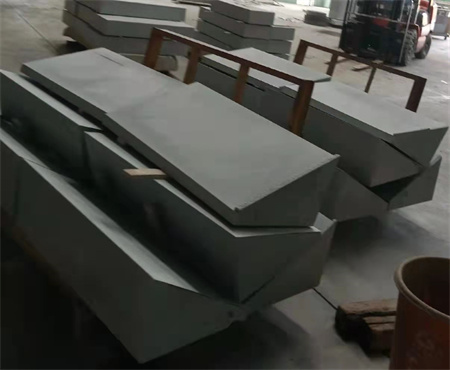
Quality control and testing are essential to mitigate returns and customer dissatisfaction, but they represent an element of cost. Comprehensive QC typically includes dimensional inspection, finish grade checks, adhesion testing for metal fittings, and verification of engraving depth and clarity. Pre-production samples, color-matching approvals, and third-party laboratory analysis for properties like compressive strength or porosity may be requested by large buyers and importers. Maintaining documented inspection records and implementing corrective actions for nonconforming parts increases administrative overhead but is often required to meet procurement specifications from international distributors and funeral service providers.
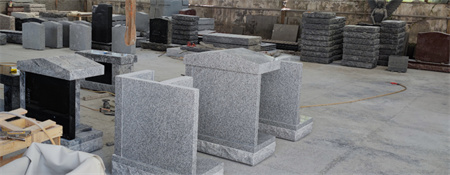
Packaging and international shipping logistics are critical and frequently underestimated components. Monuments are heavy, irregularly shaped, and fragile; proper crating, palletization, and shock-absorbing materials increase packing costs but reduce damage risk. Transport mode—full container load (FCL) versus less-than-container load (LCL)—affects per-unit freight rates. Heavier tombstones consume more container weight capacity and may require more cubic space, so freight is calculated by weight and volume. Export terms (FOB, CIF, DDP) determine which party bears shipping, insurance, and customs responsibilities, and tariffs, import duties, and local taxes at the destination can materially affect landed cost. Delays from customs clearance, seasonal shipping congestion, or changes in documentation can further increase costs through demurrage or storage fees.
Supply chain stability, lead times, and order volume also influence pricing. Larger, recurring orders permit economies of scale, better procurement of raw slabs, and optimized shipping, while rush orders incur premium processing and expedited freight charges. For international buyers, auditing factory capabilities, verifying ISO or factory audit reports, and negotiating clear quality and delivery terms reduce risk and help predict total monument manufacturing cost with greater accuracy.
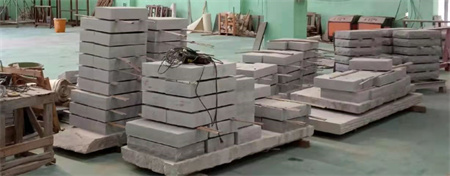
In conclusion, understanding how raw materials, manufacturing complexity, customization, quality control, and international logistics interact is essential for accurate cost forecasting when importing granite monuments and tombstones. Careful specification, transparent terms of sale, and attention to quality assurance will help buyers balance price with reliability and long-term value.